
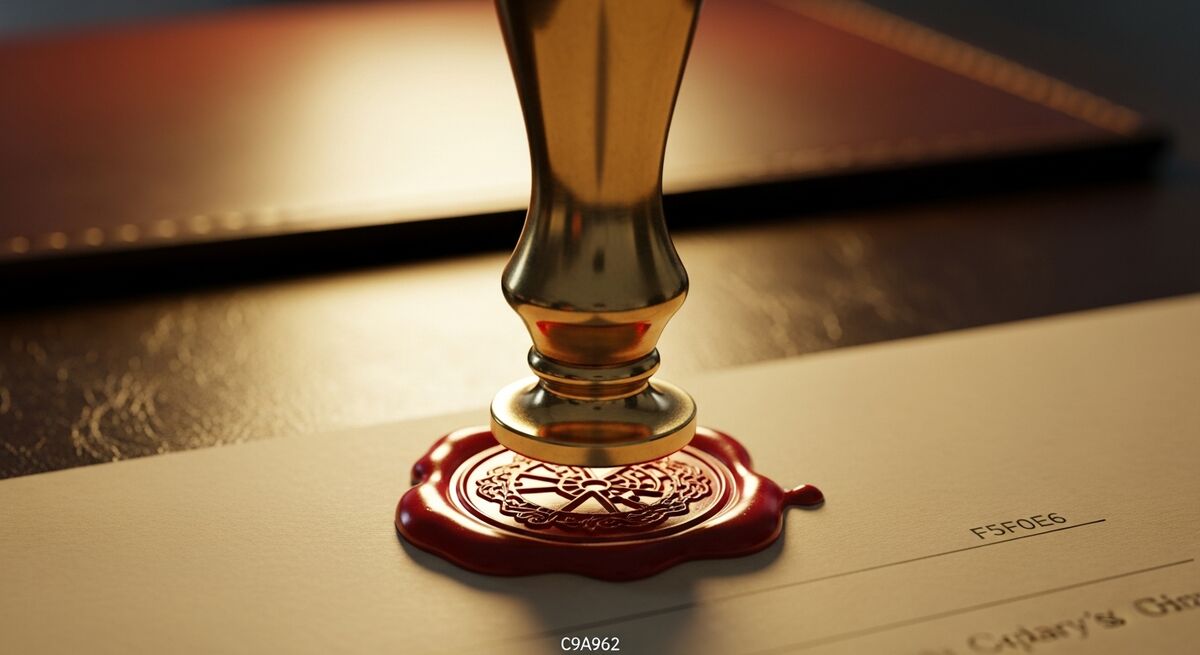
Navigating the intricate channels of South African law can be daunting, especially when one's needs span international borders. Notaries occupy an important role in this landscape, offering vital services to both locals and foreigners alike. In this guide, we delve into the world of notaries, the authentication process, and the indispensable services our firm provides, including the drafting of antenuptial contracts.
The Role of a Notary in South Africa:
In South Africa, a notary is more than just a qualified legal professional. They are attorneys who have passed the Notarial Practice Exam which examines matrimonial regimes, the law of trusts, deceased estates, property and ancillary rights, servitudes, tax and more. Once they have passed, they apply to be admitted and enrolled as a notary with the High Court, a testament to their advanced expertise.
A notary's primary responsibilities encompass:
- Authenticating the authenticity of documents and signatures
- Producing certified true copies of original documents
- Drafting unique documents like antenuptial contracts, which are vital pre-marriage legal contracts outlining the marital regime chosen by the parties
All about Authentication:
At its core, authentication is about establishing trust and verification. When a document undergoes authentication, its authenticity is vouched for, ensuring its recognition both locally and internationally. It is important to note that only DIRCO may authenticate documents such as a marriage certificate, police clearance and birth certificates, which are issued by an organ of State.
The International Importance of Apostilles:
An apostille, stemming from the Hague Convention of 1961 (to which South Africa is a signatory), is a specialised certification method. A document bearing an apostille is recognised in all member countries of the Convention, eliminating the need for additional certification.
Drawing the Line between Notarial Certification and Authentication:
- Notarial Certification: Here, a notary confirms that a copy of a document is a true reflection of the original. The content isn't verified, only its accurate reproduction.
- Authentication: This deeper verification process sees the notary affirming the legitimacy of a document or the signature it holds.
Authentication of Degrees
For South Africans eyeing opportunities abroad or international scholars keen on our vibrant academic offerings, authenticating your degree is often required by overseas institutions. This usually involves a two-step process: firstly, verification by the South African Qualifications Authority (SAQA) and then apostilled. If an apostille is not required, then this might be followed by further authentication by the Department of International Relations and Cooperation (DIRCO) and additional embassy checks.
Notaries vs. Commissioners of Oaths: Distinguishing the Two:
Though both these entities can verify documents, they serve distinct roles:
- Notaries: Primarily focused on international documentation processes. They draft notarial deeds and charge for their specialised services.
- Commissioners of Oaths: Appointed by the Minister of Justice, their mandate is mainly local. Their chief task is to ensure that affidavits and sworn statements are correctly administered. They do not charge for their services. Often, their certification is not acceptable for international use, whereas a notary's certification is.
Antenuptial Contracts at Spence Attorneys:
A notary in South Africa also prepares and executes antenuptial contracts. Before saying 'I do,' understanding how your union impacts your assets is essential. At Spence Attorneys, we specialise in tailoring antenuptial contracts to meet your distinct needs, ensuring a harmonious legal union.
Disclaimer: This article is intended for informational purposes only and does not constitute legal advice. Always consult with a professional about your specific circumstances. For expert guidance, contact us at info@spenceattorneys.co.za.
Use Spence Attorneys for all your notary and antenuptial contract needs. With our expertise, we guide you through every step with precision and care.